Paul CarassonePrivate advisory Request a conversation

Private advisory · By inquiry only

Advisory for owners, family offices and funds selling or buying $20M+ in real estate. Paul Carassone has bought, run and sold buildings since 1985. He reads your deal the way the buyer’s operators will, then sits on your side of it until close.

Request a confidential conversation

You speak with Paul directly.Mutual NDA before any documents change hands.

Exits and dispositionsAcquisitionsHold or sellRecapitalizationsCourt and estate assets
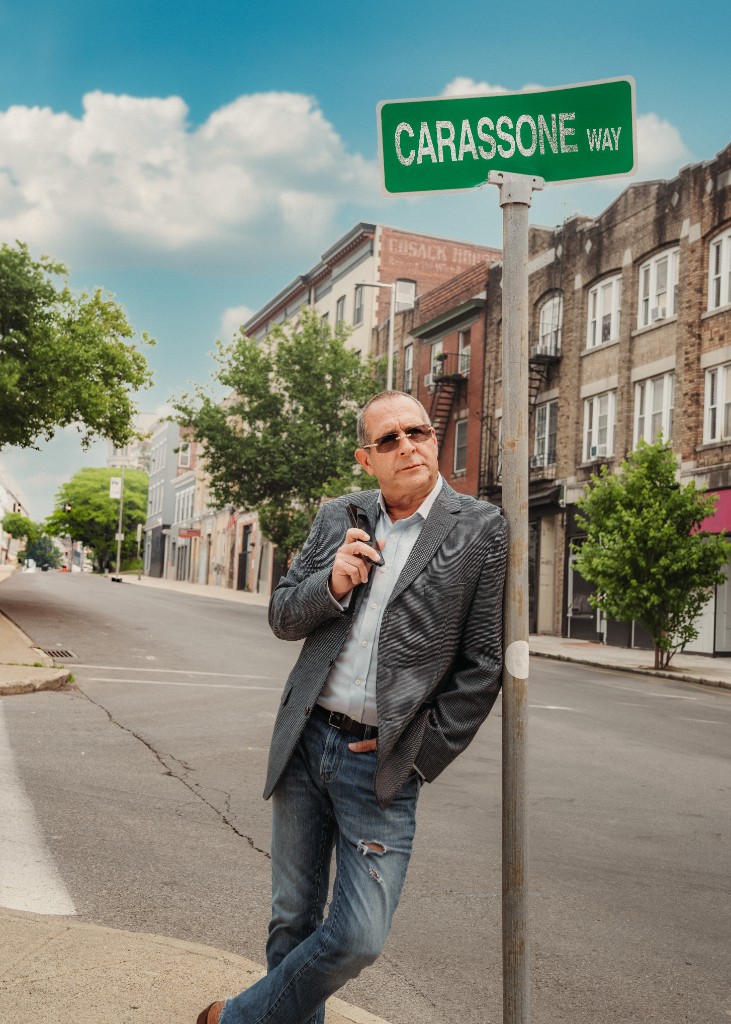
Paul Carassone on a Brooklyn street under a Carassone Way sign

Record

1985First property, Williamsburg, Brooklyn
$1B+Aggregate transactions¹
30+Years operating and managing property
15%Average income lift in the first year of ownership²

Court-appointed property manager and fiduciary. CEO and co-founder of Carassone Property Management, directly responsible for every acquisition, sale and dollar.

¹ Aggregate value of transactions Paul Carassone has led or been directly responsible for since 1985, as reported by Paul Carassone. ² Average across properties acquired under Carassone Property Management, combining expense reduction and income growth in the first year of ownership.

The closing table

Everyone at the table is paid to close. One seat is paid to get it right.

The broker earns on the close. The buyer’s team earns by paying less. The lender earns on the loan. On a transaction this size, the party with the most at stake is often the only one without an operator in the room.

Listing brokerPaid to close
Buyer’s teamPaid to pay less
LenderPaid on the loan
Paul, for youOn your side

Paul never lists your asset, never buys it, and never takes the other side. One client per transaction.

Request a conversation

Four mandates. Each one comes from a building he has owned.

Paul advises where operating experience changes the price: before a sale, before a purchase, and when an asset is in transition.

01

Exits and dispositions

Position the asset before it goes to market. Paul underwrites it the way buyers will, fixes what would get chipped in diligence, and holds the number through close.

  • Pre-market operator audit
  • Rebuttal to the buyer’s underwriting
  • Broker selection and oversight
  • Retrade defense to closing
02

Acquisitions

An operator’s read before you sign the LOI: the real expense load, the deferred capex, and whether the rent roll holds.

  • Rent roll and T-12 stress test
  • Building walk with Paul
  • Expense and tax reality check
  • Day-one operating plan
03

Hold, sell or recapitalize

Not every asset should be sold now. You get an honest read on what it earns when it’s run properly, set against what the market will pay today.

  • NOI upside before a sale
  • Refinance or sell
  • Partner buyouts and recaps
  • Timing, with your CPA and counsel
04

Court, estate and distressed assets

Courts appoint Paul as property manager and fiduciary. Trustees, estates and lenders get that same steady hand on assets in transition.

  • Fiduciary and receivership oversight
  • Estate and partition sales
  • Stabilize before sale
  • Reporting to court and beneficiaries
The operator’s math

At a 5% cap rate, every dollar of NOI is worth twenty at exit.

Buyers pay for income. Under Paul’s management, properties have averaged a 15% income lift in their first year, and that operating lift is the value most sellers leave on the table.

Run your own numbers.

5.50%
15%
Value created at exit
$6,545,455
Value at today’s NOI$43,636,364
Value after improvement$50,181,818

Illustration only. Not an appraisal, a forecast or a promise of results. Actual outcomes depend on the asset, the market and execution.

How an engagement runs

No decks and no pitch. The first conversation is with Paul, and nothing confidential moves until there’s an NDA in place.

01Week 1

Confidential conversation

Thirty minutes with Paul covering the asset, your goal and your timeline. If he can’t add value, he’ll tell you.

02Weeks 1–3

Operator’s review

Under mutual NDA, Paul works through the rent roll, T-12, debt and capex, walks the buildings, and gives you a written read.

03Weeks 3–4

Strategy and mandate

Hold, sell, buy or recapitalize. The plan, the price you defend and the engagement letter.

04Through close

At the table

Brokers, buyers, diligence and retrades. Paul stays in it until the deal closes, or until you walk away.

Engagement criteria

Paul takes on a limited number of mandates each year. Meeting the criteria doesn’t guarantee an engagement.

  • ScaleA portfolio or transaction of $20 million or more.
  • AuthorityYou hold the final decision, or you advise the person who does.
  • TimelineA transaction you expect to make within 24 months.
  • CandorYou want an operator’s honest read, not a second opinion that agrees with you.
  • DiscretionConfidentiality runs both ways and is written into the engagement.
Not the right fit
  • First or second propertyStart with Paul’s mentorship instead.
  • Wholesale or assignment dealsPaul advises principals, not intermediaries.
  • Looking for a courseHis coaching and community are on the main site.
Visit paulcarassone.com

Terms, plainly

What you need to know before the first call. Everything else goes in the engagement letter.

Discretion is the default.Your name, your asset and your numbers are never marketed, listed or shared. A mutual NDA comes before any documents, and Paul’s materials are sent on request after it’s signed.

Structure
A retainer plus a success fee tied to your result. The retainer is credited against the success fee.
Independence
One client per transaction. Paul never represents the counterparty and never co-invests in an asset he’s advising on.
Capacity
A limited number of mandates each year, so each one gets Paul personally.
Who you work with
Paul directly, backed by the Carassone Property Management team.
Markets
New York and the Tri-State area first. National portfolios considered case by case.
Paul Carassone walking up the drive to one of his apartment buildings
A note from Paul

In 1985 I bought my first property in Williamsburg for $14,000. Years later I sold it for $1.6 million. What sets a building’s price at the end is everything in between: the tenants, the boilers, the taxes and the lenders.

Since then I’ve sat in every seat at the table: buyer, seller, operator, and fiduciary appointed by the court. Over a billion dollars in deals. The lesson that keeps repeating is that sellers lose money in the details nobody at the table is paid to care about.

If you’re about to sell or buy something that matters, I’ll give you a straight read. If the right answer is to wait, I’ll tell you that too.

Paul CarassoneCEO and co-founder, Carassone Property Management

Questions principals ask first

Are you a broker?

No. Paul advises; he doesn’t list your asset or represent a buyer. If the plan calls for a broker, he helps you choose one, then holds them to the number.

What does it cost?

A retainer plus a success fee tied to your result, with the retainer credited against the success fee. Exact terms are set in the engagement letter after the operator’s review, once the scope is clear.

What do you need for the first conversation?

Nothing confidential. The asset type, rough size, market and timeline are enough. Rent rolls, T-12s and debt terms come later, under NDA.

How quickly can you move?

Paul’s office replies to every inquiry within two business days. A written operator’s read usually follows within three weeks of receiving documents, sooner if you’re under LOI.

Do you invest alongside clients?

Not in an asset Paul is advising on. Keeping his capital out of your deal keeps the advice clean.

We already have advisors. Where do you fit?

Alongside them. Your attorney, CPA and broker each cover their own lane. Paul covers how the building actually runs, which is the part the buyer underwrites hardest.

Before you sign the LOI, get one more read.

Thirty minutes with Paul, in confidence. If there’s nothing he can add, he’ll say so.

Request a confidential conversation

About two minutes. Reviewed by Paul’s office within two business days.